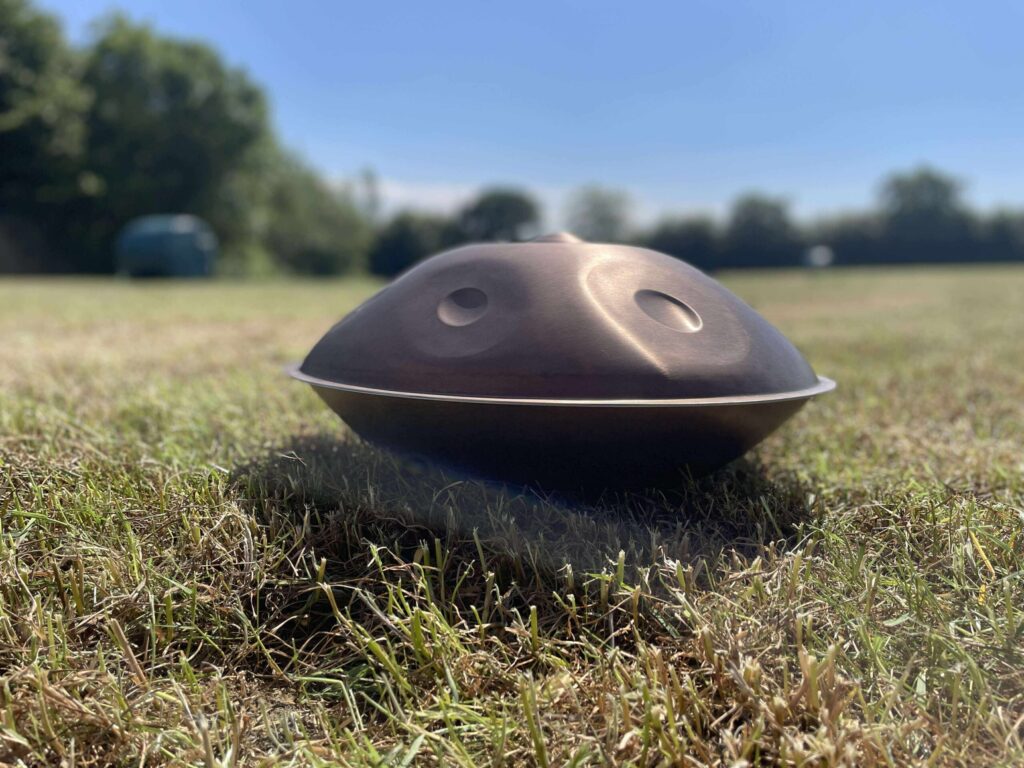
HandPans Q&A

Shipping, Packaging, Insurance & Returns

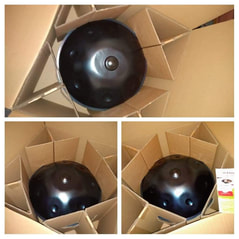
Shipping, Packaging, Insurance & Returns At PanStream, we put great care into ensuring that your HandPan arrives safe, secure, and ready to play. Below you’ll find all the important details about our shipping process, insurance coverage, and returns policy. Free Shipping to UK Mainland & EU We are happy to offer free shipping across the UK Mainland and the EU. For customers outside these regions, please contact us for a custom shipping quote. Please note: Customers outside UK may be required to pay local customs charges. These fees are the responsibility of the customer, and we recommend checking with your local customs office before placing your order. How We Pack Your HandPan Each PanStream instrument is carefully suspended in a double cardboard box, providing maximum protection during transit. All shipments are fully tracked and insured. We only issue legit invoices to ensure smooth customs clearance and valid insurance coverage. We do not stock HandPan cases at the moment, but you are welcome to: Send us your own case, or Order a case (we recommend Hardcase Technologies – Evatek Medium) and have it delivered directly to us before shipping. Shipping Process Once your payment has cleared and your instrument is ready to ship, we will book a courier and email you with your tracking number. Please double-check your delivery address and contact details, as PanStream cannot be held responsible for delays or losses due to incorrect information. Upon delivery: Inspect the box carefully before signing for it. If you see damage, take photos immediately. Open the box and examine the instrument thoroughly. Do not dispose of the box until you are completely satisfied. We recommend keeping the box for future use (e.g., tuning or service returns). Shipping Damage If your instrument arrives damaged: Notify us immediately. All claims must be reported within 14 days of delivery (including the delivery date). Keep the original packaging and the damaged instrument at the delivery address for courier inspection. Provide us with clear photographs of the packaging and the damaged item(s). Couriers also require a copy of our invoice as proof of value to process claims. Please note: Claims cannot be processed without sufficient evidence or compliance with these requirements. Free Shipping to UK Mainland & EU We offer free shipping across the UK Mainland and EU. For deliveries outside these areas, please contact us for a custom shipping quote. Please note: EU customers may be required to pay local customs charges. These fees are the responsibility of the customer, and we advise checking with your local customs office before placing your order. Secure & Insured Shipping Your HandPan will be shipped using tracked and insured courier services. We only use legit invoices, and every shipment is fully covered for peace of mind. Instruments are packed suspended inside a double cardboard box to protect against impact during transit. While we don’t stock instrument cases at the moment, you are welcome to send your own case to us, or order a case and have it delivered directly to us before shipping your instrument. We recommend Hardcase Technologies – Evatek Medium cases for the best protection. Process Once your HandPan is ready for dispatch and the courier is booked, you’ll receive an email with your tracking number. Please double-check your shipping address and contact details before confirmation. On arrival, inspect the box carefully before signing for delivery. If there is visible damage to the box, take photos immediately. Unpack the instrument as soon as possible and check it thoroughly. Keep the box until you are 100% satisfied with your order. Also it may be useful for future tuning shipments. In Case of Damage If your instrument arrives damaged: Report it to us immediately – all courier damage claims must be made within 14 days of delivery (including the delivery date). Keep the packaging and instrument at the delivery address for courier inspection. Send us photographs of the packaging and damaged item to help resolve the claim. Please note: couriers require a copy of our invoice as proof of value to process claims. Returns & Refunds Each PanStream HandPan is handcrafted and carefully tested before dispatch. However, if you are not satisfied with your order, you may request a return within 14 days of receiving it. To qualify for a return: The instrument must be unused, in its original condition, and returned in the original packaging. Return shipping and insurance costs are the responsibility of the customer (unless the item is faulty or damaged in transit). Once we receive and inspect the instrument, we will confirm your refund status. Approved refunds will be processed to your original payment method within 7 days. Please note: We reserve the right to refuse returns that do not meet these conditions. All Posts PanStream   Back HandPan Shipping & Packing Read More The D Kurd HandPan – A Timeless Favourite for Players of All Levels Read More Hand-Hammered vs Air-Hammered HandPans Read More Load More End of Content.

Hand-Hammered vs Air-Hammered HandPans

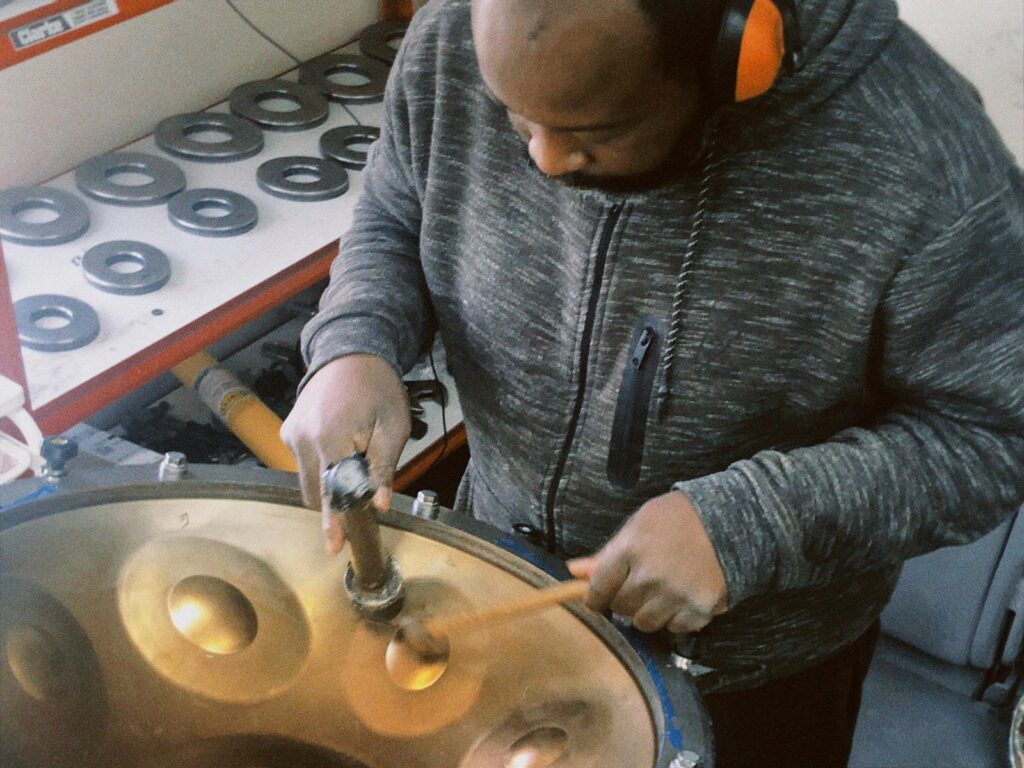
Handcrafted and Air-hammer shaped INSTRUMENTs what’s the difference? When it comes to crafting a high-quality HandPan, the technique used to shape the instrument has a profound impact on its tone, feel, and personality. At PanStream, we use both hand-hammering and air-hammering methods, depending on the design, material, and acoustic goals of the instrument. But what exactly is the difference between these two techniques? And how do they affect the final sound? What Is a Hand-Hammered HandPan? Hand-hammering is the traditional method of forming a HandPan. The maker uses a mallet or hammer to manually strike and shape the steel shell, tone fields, and central dome (ding). This method requires: Thousands of controlled strikes by hand Deep knowledge of how steel behaves under pressure Patience, precision, and a trained ear Advantages of hand-hammering: Warm, organic sound with rich overtones Greater control over tone field shaping Often seen as more “artisanal” or soulful https://panstream.co.uk/wp-content/uploads/2025/08/WhatsApp-Video-2025-08-13-at-22.57.21_bad4fe07.mp4 Hand-hammered PanStream HandPan: D Kurd 18 https://panstream.co.uk/wp-content/uploads/2025/08/WhatsApp-Video-2025-08-13-at-11.20.22_c0be2e33.mp4 What Is an Air-Hammered Handpan? Air-hammering (also known as pneumatic hammering) uses a mechanical tool that delivers thousands of rapid, consistent strikes to shape the steel shell. It’s a faster process and is commonly used to: Rough-form shells with high precision Prepare raw material before hand-finishing Produce more consistent results across batches Advantages of air-hammering: Faster production times More consistent shaping of shells Excellent for early-stage forming With the right skill and care, air-hammered pans can sound just as beautiful – especially when combined with fine hand shaping and tuning. Air-hammered PanStream HandPan: D Kurd 16 https://youtu.be/v0UlI7pfScw?si=Xsd7B3S08yRE3N6C A Quick Note on Factory-Pressed Handpans You may also come across HandPans that are mass-produced in factories using hydraulic presses or stamping machines. While they may look like HandPans, their acoustic quality is typically not comparable to handcrafted or air-hammered instruments. Sound Comparison: Hand-Hammered vs Air-Hammered While both methods can produce professional-grade instruments, the subtle differences in tone are what many players find fascinating. Hand-hammered HandPans often have: Softer attack Deeper harmonics A more “alive” or natural feel Air-hammered HandPans often sound: Clean and consistent Slightly brighter or more focused Ideal for modern, percussive playing styles Ultimately, the method is just one part of the story – the skill of the maker and the quality of tuning matter most. https://youtu.be/lFliqtPR6sI Which Is Better? At PanStream, we don’t believe one method is “better” than the other. Instead, we choose the approach based on: Desired tone and sustain Type of steel used Tuning goals Aesthetic and acoustic balance In fact, many of our instruments are made using a hybrid process: air-hammered for forming, then hand-hammered and hand-tuned for acoustic precision. Final Thoughts Whether you prefer the raw artistry of hand-hammered pans or the sleek precision of air-hammered instruments, both approaches offer beautiful, resonant results when crafted with care. Have a listen to both videos above and let your ears decide.

Why Your Handpan Has Spots – Ember Steel Explained

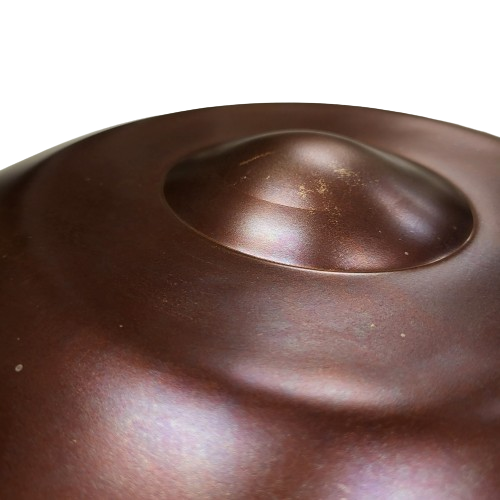
Understanding the Visual Spots on Your HandPan A Natural Part of the Ember Steel Journey We’ve received some inquiries regarding the appearance of small, light-colored spots or subtle stains on their HandPans – especially on the high notes or around the central tone field. If you’ve noticed something similar, please read on – you’re not alone, and your instrument is not defective. What Are These Spots? These marks are a natural result of the Ember steel material we use for our HandPans. While they may look like rust or oxidation at first glance, they are in fact part of the chrome-oxide layer that forms on the surface during the annealing (heat treatment) process. This oxide layer provides excellent protection against rust and corrosion. Even if scratched, it self-repairs almost instantly. So while these spots may change the visual appearance of the surface over time, they do not affect the sound, tuning, or durability of your instrument in any way. As explained by Ayasa, our shell manufacturer: “The patina on most Ember steel handpans is not stable and the instruments are likely to change colour. This does not affect the sound or tuning, it just creates a vintage look.” We embrace this natural process as part of the living character of each instrument. Every HandPan develops its own unique aesthetic over time – much like a well-loved acoustic guitar or aged violin. Why Do These Spots Appear? There are a few natural reasons: Heat treatment behaviour: The colouring and spots are part of the steel’s reaction to high temperatures. If the temperature exceeds around 390°C, it can cause visible variation in the oxide layer. Pre-treatment cleaning: If any oils, fingerprints, or residues are on the surface before annealing, they can leave behind visible marks. Less frequently touched areas: These spots often appear in areas not played often, like higher notes. Regular handling seems to keep other areas more visually stable over time. Is This Rust? No, it’s not rust. Ember steel is highly resistant to corrosion, and these marks are part of its natural aging and protection process. They are purely visual and do not compromise the integrity or acoustics of the handpan. How to Care for Your HandPan Use a light layer of handpan oil with a clean microfiber cloth. Avoid over-oiling or using abrasive materials. Store at room temperature and in a dry, stable environment. Handle with clean hands to minimize surface residue. A Note About Resellers We’re honoured that our instruments are available through trusted resellers in various regions. If you purchased your HandPan from a reseller, we kindly recommend reaching out to them directly for any initial support, service, or follow-up questions, as they are best equipped to assist you based on your purchase. Of course, if you’re unable to reach them or need help beyond what they can provide, we’re always happy to support where we can. Final Thoughts We believe in making instruments that age gracefully and carry their own unique character. These surface changes are part of the story and chemistry of Ember steel, and they do not impact your HandPan’s tone or longevity. Thank you for being part of our HandPan community. If you have further questions or need assistance, please don’t hesitate to contact us or your reseller, depending on where your journey began.

Mark Wilson plays 18" HandPan on the beach

How to Play

Learn how to Play HandPan Whether you’re a complete beginner or looking to deepen your skills, learning to play the handpan can be a deeply rewarding journey. This unique instrument combines rhythm and melody, allowing you to create beautiful, meditative music with just your hands. Why Learn the Handpan? The HandPan is one of the most intuitive and expressive instruments in the world. Its soothing tones and circular layout make it accessible to all, no prior musical experience required. From calming solo sessions to performing with others, the HandPan opens a world of creativity, mindfulness, and musical exploration. How to Get Started Starting your HandPan journey is easier than you might think. There are a number of high-quality online courses designed for beginners and experienced players alike. These structured lessons help you learn basic rhythms, develop musical flow, and understand scales, improvisation, and composition. Recommended Online HandPan Courses We’ve partnered with some of the best HandPan educators to bring you trusted learning resources. These HandPan learning programs offer: Step-by-step video lessons Practice routines and play-alongs Techniques for rhythm, touch, and musicality Lifetime access and self-paced learning Discount if you sign up via the links below ‘Panstream’ – 10% ‘Panstream’ – 10% ‘PANSTREAM’ – 50% These programs are ideal for anyone wanting to learn HandPan at home, at their own pace. Tips for Successful Learning Practice regularly – Even just 10–15 minutes a day makes a big difference. Play slowly – Focus on technique and tone rather than speed. Use headphones or a quiet space – Helps you connect more deeply with the sound. Record yourself – Listening back can reveal areas to improve. Join the HandPan CommunityThere’s a welcoming global HandPan community ready to support your musical journey. From workshops and retreats to online forums and YouTube channels, you’ll never feel alone as you learn. Ready to Begin? Explore our recommended HandPan courses and start playing today. Whether for relaxation, creativity, or connection, the HandPan is a joy to learn, and the journey starts here.

How Its Made

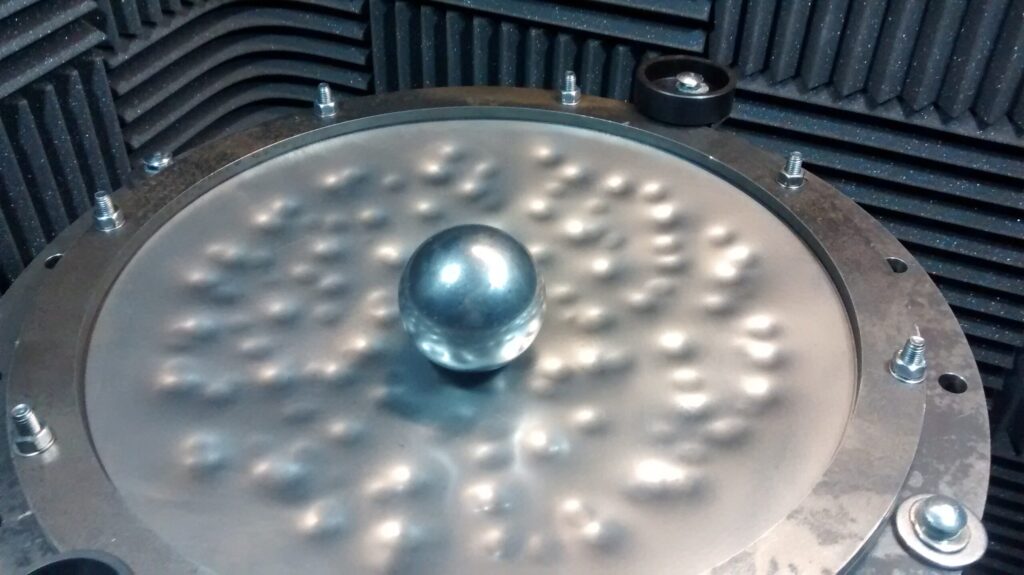
How HandPans are Made at panstream The art of HandPan Making HandPans are more than musical instruments – they are the result of patience, precision, and a deep respect for sound. Every handpan is shaped by human hands, careful listening, and countless small decisions that influence its final voice. At PanStream, we believe that understanding the making process helps players connect more deeply with their instrument. In this post, we take you through the key stages of HandPan making, from raw steel to a fully tuned, expressive instrument. Selecting the Steel The journey of a handpan begins with steel. The type, thickness, and treatment of the steel all play a crucial role in how the instrument will sound and feel. High-quality steel provides stability, sustain, and responsiveness, allowing the notes to sing clearly while remaining structurally strong. Choosing the right material is the foundation of everything that follows – a handpan can only be as good as the steel it is made from. Most HandPans are made from either nitrided steel (known for its rust resistance) or stainless steel (favoured for its long sustain and warm tone). Each material affects the sound and feel of the final instrument. Shaping the Shells The next step is forming two hemispherical shells. These are usually created by deep-drawing or hydroforming flat steel sheets into dome shapes. The top shell will hold the notes; the bottom shell becomes the resonant chamber. PanStream orders pre-made shells from Ayasa – Nitrided and Ember Steel. Layout and Note Design Once the top shell is shaped, the maker carefully marks out the note layout. This includes the central note (Ding) and the surrounding tone fields that will form the chosen scale. The spacing, angles, and overall geometry are thoughtfully designed to create a balanced, ergonomic, and intuitive playing experience. Each marked area becomes what is known as a tone field. These tone fields are not yet sounding notes, but carefully planned zones where the steel will later be shaped and tuned. The position and size of each one directly influence pitch stability, overtone structure, and how comfortably the instrument responds to touch. At this stage, the handpan exists only as potential. The notes are mapped with precision, but the sound itself has yet to emerge – waiting to be revealed through hammering and tuning. Hammering (shaping) the Notes Hammering is where the handpan truly begins to come alive. Using a combination of different hammers and techniques, the maker shapes each note field by hand. This process stretches and compresses the steel, defining the pitch and harmonic structure of each note. There are two main approaches to shaping the steel at this stage: Hand-hammering: This is the traditional, artisanal method where the maker uses a mallet to strike each tone field by hand. It requires thousands of controlled strikes, a deep understanding of how steel behaves under pressure, and a keen ear. Many players find that hand-hammered instruments have a warmer, more organic feel and richer overtones because each strike can be subtly varied by the maker’s touch. Air-hammering: Also known as pneumatic hammering, this method uses a mechanical tool to deliver rapid, consistent strikes. It’s particularly useful for rough-forming shells and shaping large areas with high precision and speed, and can help achieve consistent shapes across multiple instruments. When combined with detailed hand finishing and tuning, air-hammered instruments can also produce beautiful, expressive tones. You can read more about the differences between hand-hammered and air-hammered handpans in our in-depth post here: https://panstream.co.uk/hand-hammered-vs-air-hammered-handpans/ Every strike matters. Whether it’s done purely by hand or with pneumatic assistance, hammering still requires focus, consistency, and a trained ear, as the maker constantly listens to how the steel responds. Tuning, Heat Treatment, and Stabilisation Tuning a handpan is a delicate and time-consuming process that requires both technical precision and a highly trained ear. Each note must be tuned not only to its fundamental pitch, but also to its harmonics – typically the octave and the fifth. Achieving the right balance between these elements is what gives a handpan its characteristic warmth, clarity, and sustain. Tuning is never completed in a single pass. The maker repeatedly tunes, listens, adjusts, and retests each note until the instrument feels stable, balanced, and musical across its entire range. Subtle changes to one note can affect others, making this stage highly interconnected and intentionally slow. To help the instrument maintain its tuning over time, the shell undergoes a heat-treatment process. This hardens the steel and stabilises the internal stresses created during shaping and tuning. After heat treatment, the HandPan is tuned again by hand – sometimes multiple times – to refine the fundamental tone, octave, and fifth harmonic of each note. This stage demands great patience and experience. Tuning and stabilisation are both a science and an art, guided by careful measurement but ultimately shaped by deep listening and feel. Gluing the Halves Once both shells are fully prepared, they are carefully joined together. The alignment of the shells, the seal, and the finishing all affect the instrument’s resonance and projection. The Gu on the bottom shell is refined to ensure proper airflow and a deep, controlled bass response. Final Tuning and Playing test After the glue has cured, the instrument goes through a final tuning session and playing testing. This is where the maker checks balance, dynamic range, and overall musicality. Only when the instrument feels coherent, expressive, and inspiring is it considered complete. The HandPan is then cleaned and polished, and coated with a protective layer. Then we do a final sound test before the instrument leaves the workshop. A Note on Handmade Instruments Unlike mass-produced instruments, every handpan carries subtle differences that make it unique. The process is slow by design, guided by listening rather than machines. This human touch is what gives each handpan its character and soul. Each HandPan is a one-of-a-kind creation. Subtle variations in hammering, material, and tuning contribute to the character of each instrument; no two are exactly alike.

PanStream HandPan

How to Choose

How to Choose a HandPan: A Beginner’s Guide Choosing your first HandPan is exciting, but with so many scales, materials, and makers out there, it can be overwhelming. This guide will walk you through everything you need to know to make the right choice based on your musical goals, experience level, and budget. Understanding Handpans The HandPan is a melodic percussion instrument made from tuned steel. Played with the hands, it produces soothing, resonant tones. Each HandPan is tuned to a specific scale, meaning the notes are fixed, so choosing the right one depends on your musical taste and intention. Selecting the Material Most HandPans are made from either Nitrided Steel or Stainless Steel: Nitrided steel: Offers a traditional HandPan sound and good resistance to rust (with proper care). Stainless steel: More resistant to rust and often has a longer sustain – great for meditative or ambient music. Stainless steel is an excellent choice if you plan to play in public settings such as schools, therapy sessions, or workshops, where both durability and rich resonance are important. HEAR THE DIFFERENCE Nitrided Stainless https://youtu.be/MLcmye1JInA?si=TJbfFnKNHZREOm08https://youtu.be/6D_ZjyqcMoU?si=qbMp8C0fL8u9TcAJ UNDERSTANDING THE Frequencies Most HandPans are tuned to 440Hz, the global standard for musical pitch, making them ideal for playing with other musicians or standard instruments. However, other tunings are also possible. For example, 432Hz is often chosen for its softer, more meditative quality and is popular in sound therapy, yoga, and wellness practices. Choose the frequency that best suits how and where you plan to play. HEAR THE DIFFERENCE 440Hz 432Hz https://youtu.be/uw05GwX_ZpM?si=48JdiMZSEx6IKhCThttps://youtu.be/l6ozLiAHNHo?si=cnXxFsYmAzDr2fAZ Choosing the Right Scale The scale is the most important factor when selecting a HandPan. Common types include: Minor scales (like D Celtic or Kurd): emotional, introspective Major scales (like A Major): uplifting, joyful Exotic/scales with Eastern influences (like Hijaz): mystical and dramatic The right scale is a very personal choice – the scale defines the mood and melody of your HandPan. If you’re just starting out, we usually suggest one of the D Minor scales like D Celtic or D Kurd. They are versatile, beginner-friendly, easy to learn, and popular if you ever decide to sell your instrument. HEAR THE DIFFERENCE D Celtic D Kurd https://youtu.be/Rmp5s8gjQT0?si=aAKL7oDhHxnYGVjthttps://youtu.be/zFkxRrgtTCY?si=pfuOzY3lBX6ODmJ6 Considering Size and Portability Most HandPans are compact and easy to carry, but size can vary. Some smaller HandPans are lightweight and perfect for travel, while others are larger and better suited to a studio or home setting. Standard size 21”: Well-balanced for sound and offers a wide range of scales, but it’s heavier and might be challenging for some to hold and play on the lap. Mini, or Travel size 18”: Lighter and easier to hold. Great for travel and ideal for younger players, smaller individuals, or those with back issues. Less resonance and limited in note range. If comfort or back strain is of concern, consider using a floor or tabletop stand. considering extra requirements HandPans are naturally calming and therapeutic instruments; their soothing tones and intuitive play style make them ideal for wellness, education, and healing. But sometimes, specific physical or therapeutic needs call for additional adaptations. At PanStream, we offer custom-built handpans tailored to individual requirements, including: Larger notes and outward-facing dimples to make playing easier for people with limited strength, dexterity, or coordination Healing scales and note combinations designed to support certain aspects of well-being Alternative tunings besides 440Hz and 432Hz Whether you’re working with children, adults with additional needs, or using music in a therapeutic setting, we can design an instrument to meet your goals, both physically and musically. Get in touch if you’d like to explore custom build options, we’re always happy to help. Determining the Number of Notes HandPans usually feature 8 to 10 notes on the top shell, plus a central bass note (called the “ding“). More advanced models, also called Mutants, include extra top and bottom notes for extended range. Fewer notes (7–8): Easier to play and perfect for beginners. More notes (10–12+): More musical flexibility, but slightly more complex to master. Budgeting and Price Ranges A quality HandPan typically costs between £1,200 and £2,500, depending on the maker, scale, and material. Be cautious of cheap HandPans online, poor tuning can make them frustrating to play and impossible to retune. Entry-level [up to 10 notes]: £1,000–£1,400 Professional-grade [10+ notes]: £1,500–£2,500+ Listen Before You Buy For a complete beginner, the best way to choose their first HandPan is by listening to as many as possible. This helps you develop an ear for different scales, tunings, and makers. Attend as many HandPan gatherings, workshops, or live performances as possible. These events offer a unique chance to hear a variety of instruments, meet other players, and often try out different HandPans yourself. If attending in person isn’t an option, spend time on YouTube or social media listening to high-quality recordings. Compare different scales and makers, and pay attention to how each HandPan resonates with you – the one that draws you in most is often the right place to start. Where to Buy a Handpan You can buy a HandPan directly from trusted makers, from select online stores, or even from a few physical music shops, like one in Glastonbury and likely others. At PanStream, we offer high-quality HandPans handcrafted and tuned by Mark Wilson, ensuring that each instrument meets the highest standards of sound, quality, and tuning. Beautiful, responsive HandPans made by an experienced UK-based (Devon) tuner Range of instruments to suit different levels, from beginners to seasoned players A personal buying experience with honest advice based on years of experience Sound samples to help you choose the right scale Fair return and support policy Final Tips for First-Time HandPan Buyers Listen to a variety of makers and models to understand the differences in sound and feel. Consider your comfort and posture – make sure the size and shape of the handpan suit your playing style. Don’t stress about finding the “perfect” first instrument – your preferences will naturally evolve as you gain experience. Try before you buy, if possible – some tutors or

Shopping Basket
Wish-list We will inform you when the product arrives in stock. Please leave your valid email address below.
Scroll to Top